How BEDI Studios Is Rethinking Fashion Waste

The Canadian Edit is built to help you discover incredible Canadian brands. We share things that we love, and think you might too. If you purchase through an external link, we may earn a commission.
Many of us have felt the pull to shop more sustainably. We know the fashion industry has a waste problem. We’ve seen the stats, scrolled past the infographics, maybe even felt a pang of guilt tossing an item we barely wore. Many of us want to do better, but what’s often missing is a clear, practical path forward.
This is what makes BEDI Studios so noteworthy. The Montreal-based brand has built one of the more thoughtful approaches to circular fashion in Canada, and their Second Life program is a great example of what it looks like when sustainability is designed into a business from the ground up.
But how bad is the fast-fashion problem, really?
The fashion industry produces an estimated 92 million tonnes of textile waste every year. To put that in perspective, that’s roughly the weight of 460,000 blue whales. Many of those discarded garments aren’t at the end of their usable life. They’ve simply fallen out of favour due to trends, stopped fitting, or been replaced by something newer and cheaper.
Fast fashion has accelerated this cycle with trend-driven clothing that’s built to be temporary, priced to feel disposable, and marketed to make last season’s purchase feel outdated. The environmental cost is massive and staggering. The fashion industry is a major contributor to carbon emissions and pollution, uses excessive amounts of water, and releases microplastics into our environment. And while individual choices won’t fix these systemic issues, where and how we spend our money does send a signal about the kind of industry we want to support.
BEDI Studios
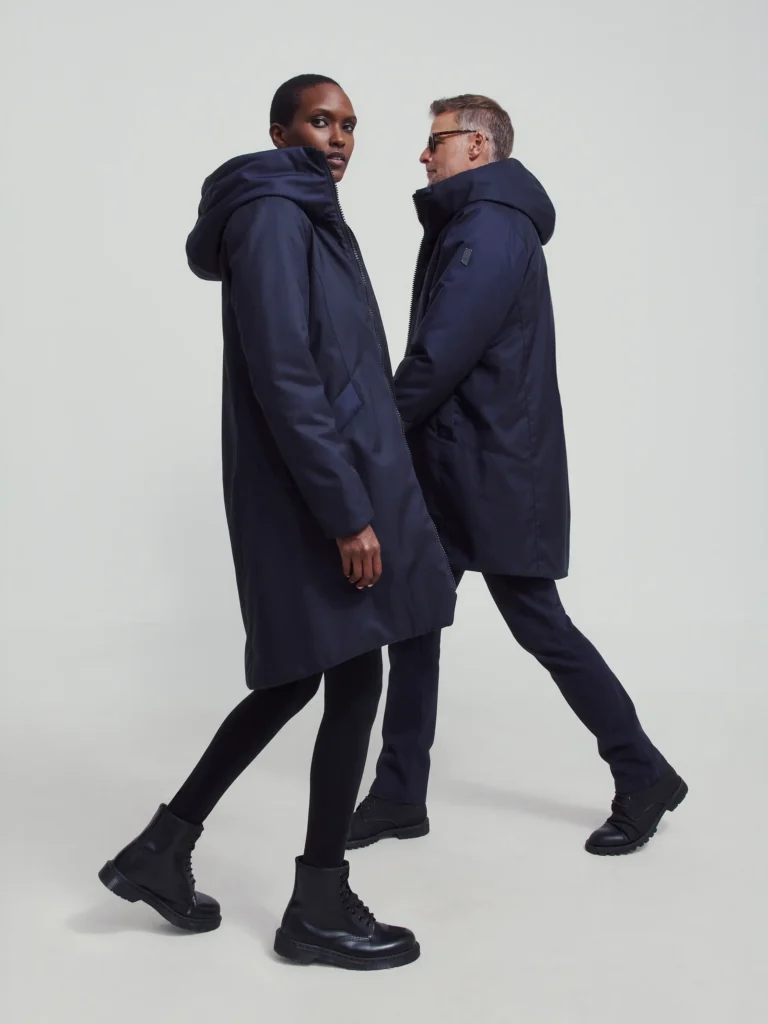
BEDI makes coats and bags in Canada using durable materials that are largely recycled, diverting items away from landfills and turning them into useful, well-made goods. Their design philosophy leans toward clean, minimal silhouettes in a core set of colours with occasional limited releases. Their idea is that nothing they make should feel tied to a specific trend or season.
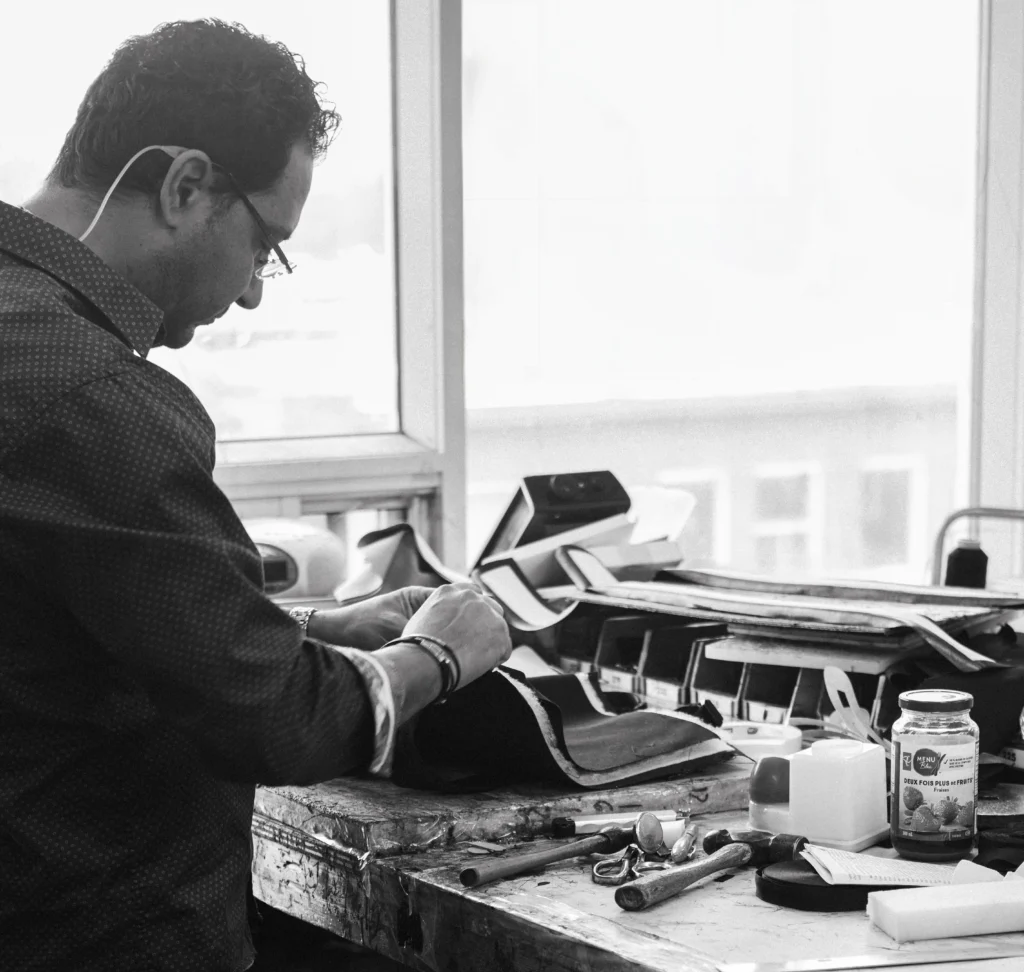
Bags and outerwear from BEDI come with a lifetime repair guarantee. If something fails over time, BEDI will fix it so you can keep wearing it. That commitment to longevity is the foundation that makes a program like Second Life possible. You can’t offer to take back and refurbish a product unless it was built to hold up in the first place.
How the Second Life Program Works
The concept is simple: use your BEDI Studios purchase for as long as you like, when you’re ready for a change, you can return the piece to the brand. In exchange, you’ll receive 25% credit toward a new product of similar value.
The item that was brought back then goes through an inspection and refurbishment process to make sure it meets the brand’s standards before being listed in the Second Life section of their site at a reduced price.
Second Life items also includes photoshoot pieces that have been lightly worn or washed, and sample pieces from product development. You might find a coat with a slightly different pocket placement or a bag in a colour that never made it to the main line. Because these are produced in very small quantities, they tend to feel more like one-of-a-kind finds than discounted leftovers.
Each listing clearly notes why the piece is in the section, whether it’s a return, a photoshoot item, or a sample. That transparency is a nice touch. You know exactly what you’re getting and why it’s there.
Why This Model Matters
Resale is one of the fastest-growing segments in fashion right now. Platforms like Poshmark, Depop, and ThredUp have normalized buying secondhand. What makes BEDI’s approach different is that the resale loop is fully integrated into the brand itself.
That matters because it means BEDI controls the entire lifecycle of the product. They know how it was made, they know what condition it’s in, and they handle the refurbishment themselves. There’s no guesswork about quality, no third-party platform taking a cut, and no risk of a counterfeit listing. The brand stands behind the piece the same way it did when it was first sold.
It also reflects something more fundamental about how BEDI thinks about their products. A coat from BEDI isn’t designed for a single owner or a single chapter of your life. It’s made to keep going. Maybe it fits you perfectly for five years, and then your body changes or your commute shifts or you just want something different. Second Life gives that piece somewhere to go that isn’t a landfill.
A More Thoughtful Way to Shop
Programs like Second Life won’t single-handedly solve the fashion industry’s waste crisis. That requires systemic change at a scale far beyond any individual brand. But they do offer a real, tangible alternative for people who want to be more intentional about what they buy and what happens to it afterward.
This Earth Day, it’s worth asking a simple question about the clothes in your closet: were they made to last, and when you’re done with them, is there a plan for what comes next?
With BEDI, the answer to both is yes.
Explore the Second Life collection on BEDI Studios’ website and see what’s available.