After Everlane: Ten Canadian Slow Fashion Brands Worth Knowing
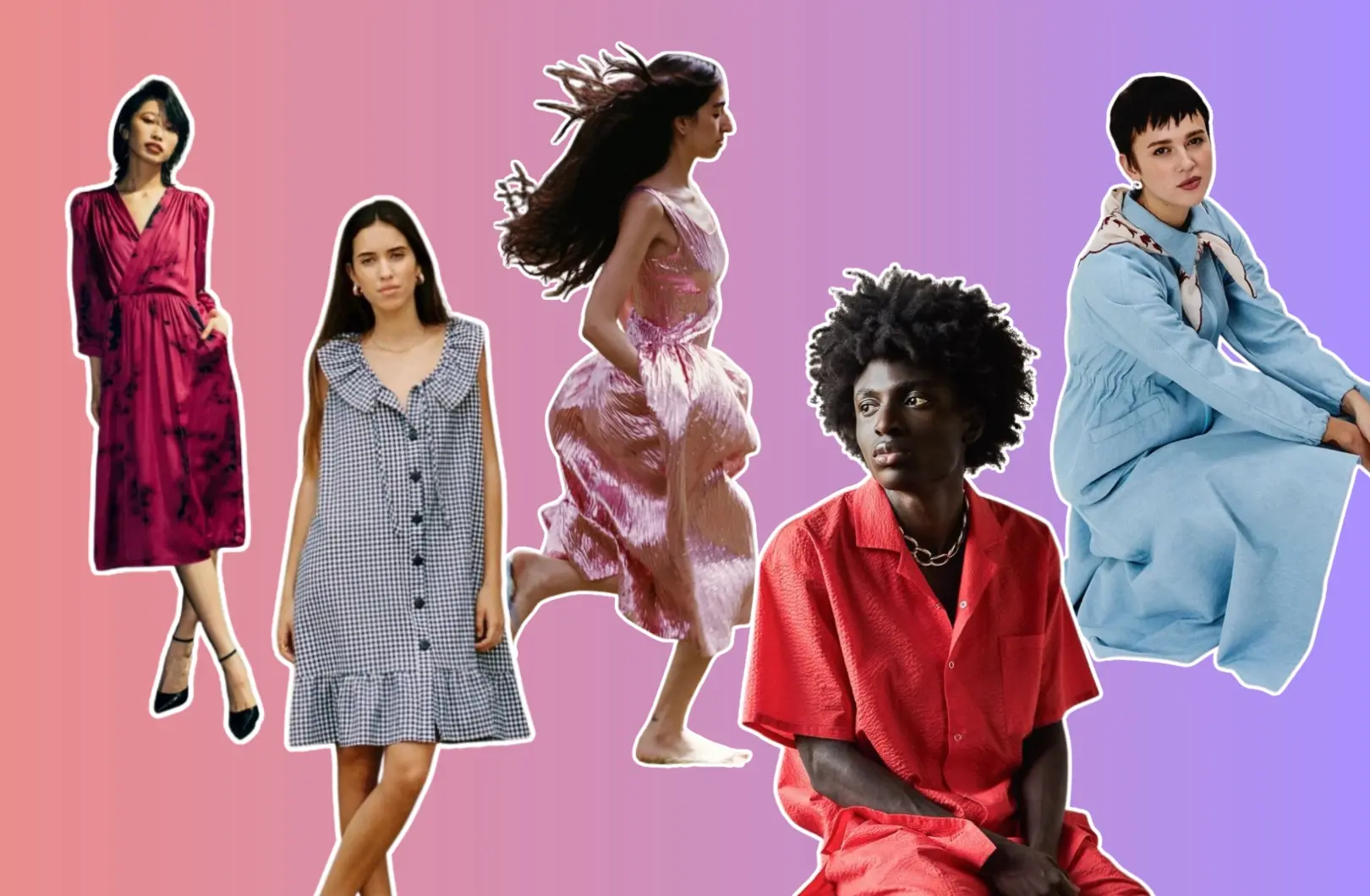
The Canadian Edit is built to help you discover incredible Canadian brands. We share things that we love, and think you might too. If you purchase through an external link, we may earn a commission.
With the once-poster-child of “radical transparency” now reportedly headed under Shein’s roof, the future of conscious clothing is looking smaller, quieter, and — in many cases — Canadian.
When Everlane launched in 2010, it sold a generation on the idea that fashion could be honest. The brand published its factory addresses, broke down the cost of a cotton tee, and built an empire on the phrase “radical transparency.” Sixteen years later, that empire is changing hands. According to reports, Shein—the Chinese ultra-fast-fashion behemoth synonymous with $5 dresses and labor scrutiny—has acquired Everlane from majority owner L Catterton in a deal valued at roughly $100 million. Everlane was reportedly carrying around $90 million in debt. This means most stockholders walk away with nothing.
The symbolism has not been lost on the people who once championed the brand: “If a brand built on radical transparency ends up under Shein, of all companies, it reinforces a deeply damaging message: that even the ‘better’ option eventually folds into the same system,” Brittany Sierra, founder of the Sustainable Fashion Forum, told CNN. Comments under Everlane’s most recent Instagram posts — many of which the brand has reportedly deleted — read like a wake.
But slow fashion was never going to be saved by a single direct-to-consumer brand operating at venture-capital scale. That’s the anti-thesis of what slow fashion is about. It was always going to live, if it lived at all, in the smaller studios: the made-to-order ateliers, the deadstock obsessives, the founders sewing samples themselves. Canada has quietly become home to a remarkable group of them.
Here are ten you need to know:
Andrea G Hand + Made (Montreal, QC)
Founder Andrea Golberg designs, cuts, sews, and photographs every piece in her Montreal atelier — a one-woman operation built around made-to-order trousers, t-shirts, and dresses she describes as “special pieces for a Tuesday.” Most items are produced to order, and the runway-quality construction is meant to outlast a decade of Tuesdays. andreaghandmade.com
Gillian Stevens (Vancouver, BC)
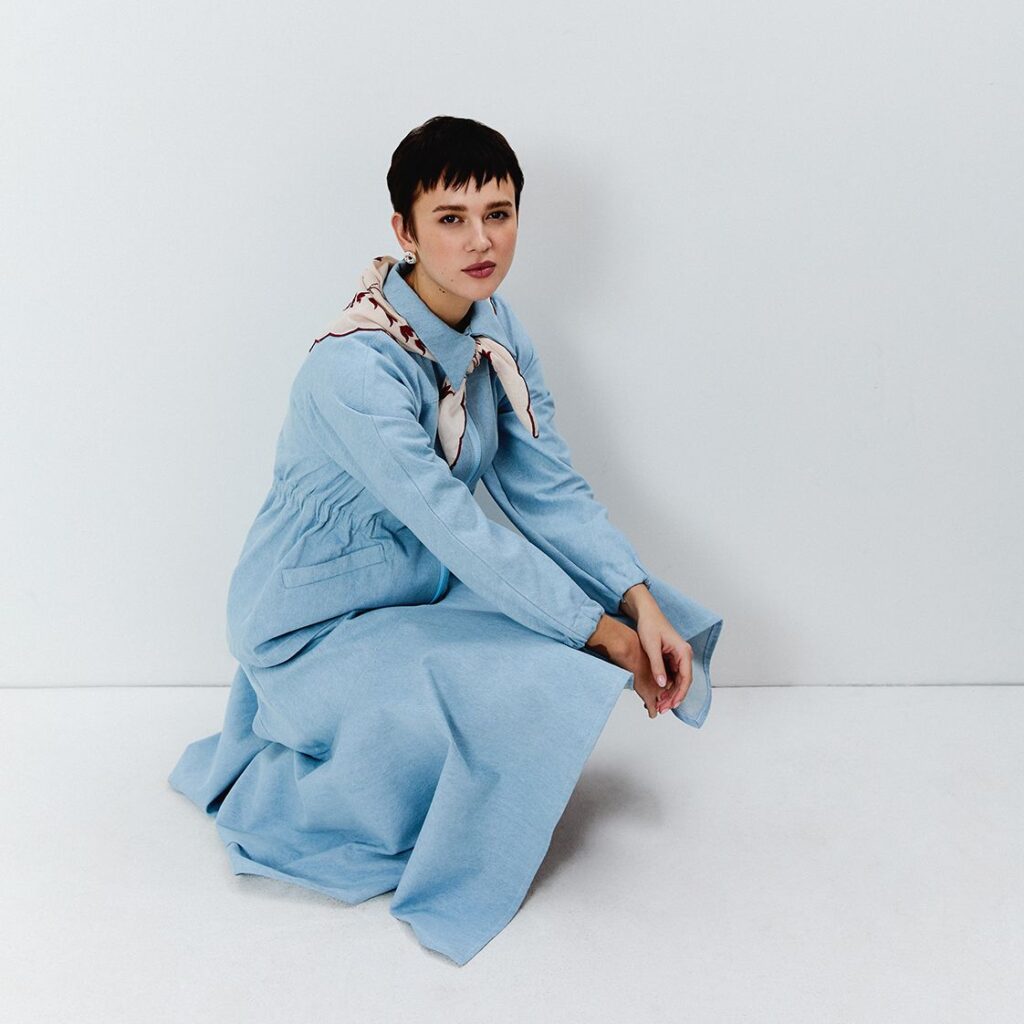
Gillian Stevens launched her namesake label in 2021 with the conviction that a wardrobe should layer — across seasons, across years, across lives. Her capsule collections are anchored in organic cotton, alpaca, wool, and linen. Pieces are produced by ethical partners, chosen for sustainable practices. The result is the kind of quiet, classic clothing that earns its space in a closet. gillianstevens.co
Eliza Faulkner (Montreal, QC)
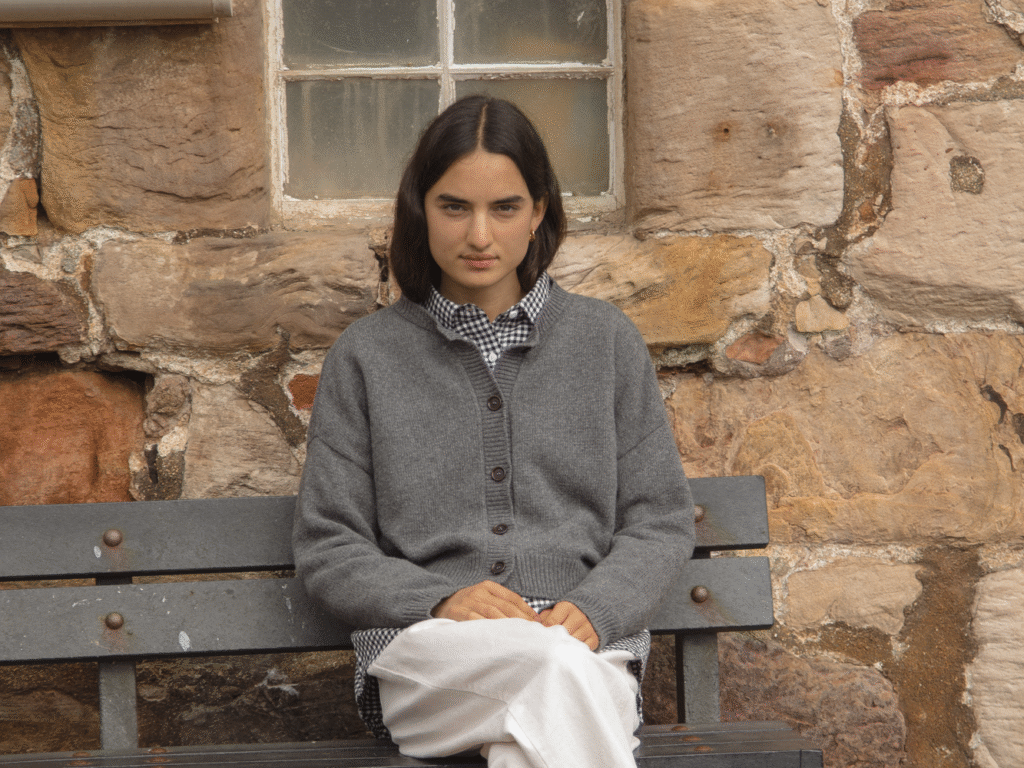
Eliza Faulkner started her label in 2012 on a ping-pong table in her father’s Vancouver Island living room. Today it operates out of Montreal, where every garment is made, and its bold-feminine silhouettes — ruffled blouses, painterly prints, statement linens — have earned a cult following. The brand has recently been profiled as “defying the slow-fashion slowdown,” a notable distinction at a moment when many ethical labels are quietly closing—or being bought up. elizafaulkner.com
ANIÁN (Victoria, BC)
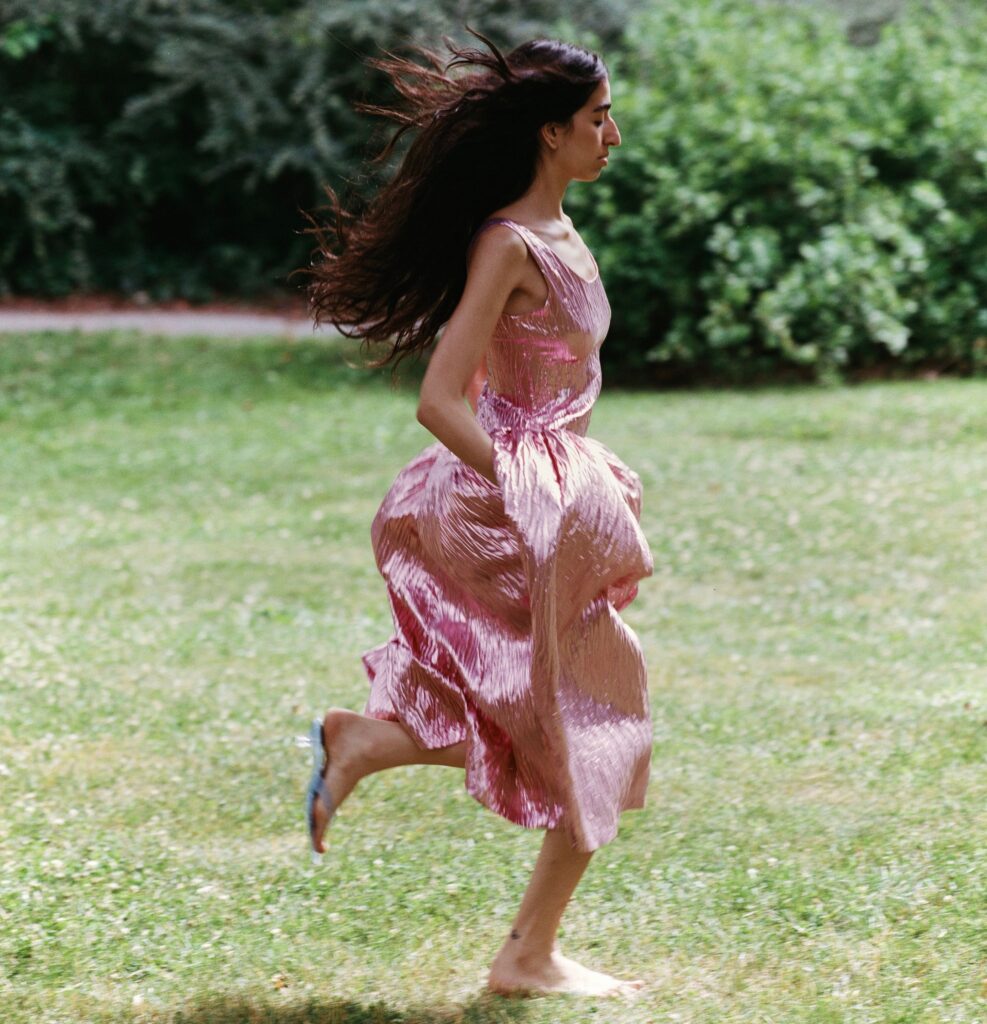
Founded in 2013 by Paul Long, ANIÁN has evolved into one of North America’s most committed circular apparel and outerwear labels. Its signature recycled-wool fleece is made from post-consumer textile waste processed in Prato, Italy, and sewn into garments in Vancouver. The brand says it has diverted more than 900,000 pounds of clothing from landfills, and offers a lifetime guarantee on every piece. anianmfg.com
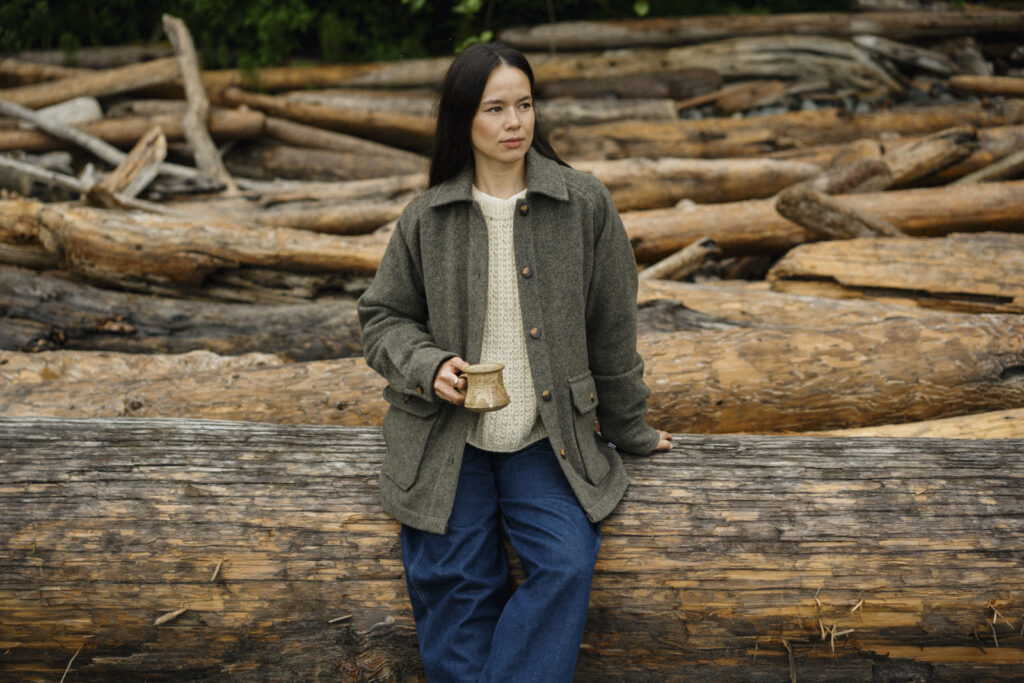
Devlyn van Loon (Toronto, ON)
Toronto designer Devlyn van Loon launched their namesake label in 2016 with a small-batch, utilitarian sensibility — clean lines, considered fabrics, garments designed less to be seen than to be lived in. Materials are sustainable, natural, or deadstock, sourced from North America, Europe, and Japan, and every piece is sewn in their Toronto studio by contractors paid a living wage. devlynvanloon.com
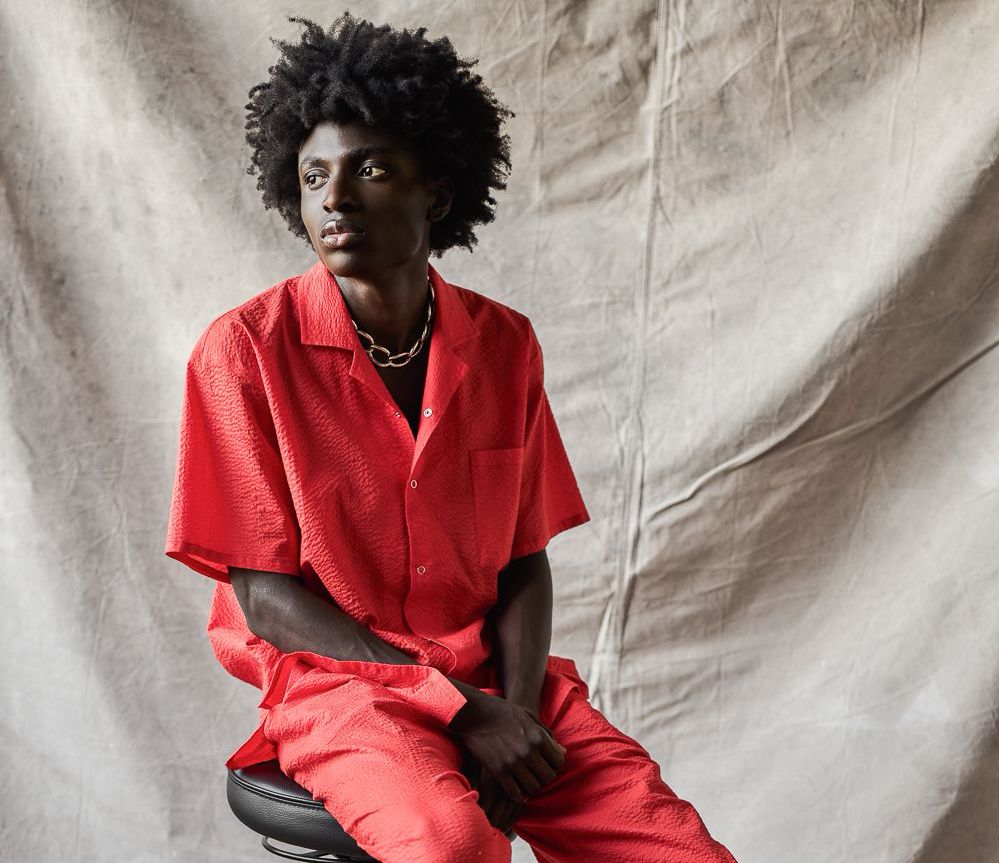
Modern Sunday (Toronto, ON)
A pandemic project turned full-fledged label, Modern Sunday was founded in 2020 by Brodie Peteran, a Ryerson-trained designer who launched her first collection in deadstock linen and never looked back. Every piece is made to order in Toronto, with up to fifteen business days for fulfilment — a built-in pause that, in fashion’s instant-gratification economy, is itself a small act of resistance. Expect easy, timeless linen separates that read more like uniform than trend. modernsundaythelabel.com

dorsaLi (Montreal, QC)
Born in Iran, raised partly in India, trained in Demi Couture in Dubai, and now based in Montreal, designer Dorsa Babaei brings a global perspective to her sculptural, multi-functional womenswear. She drapes patterns by moulage, samples in canvas, and produces in carefully curated small batches using Italian linens, silks, and deadstock cottons. A sustainable flourish: garment linings made from professionally cleaned vintage tablecloths and curtains. dorsali.com
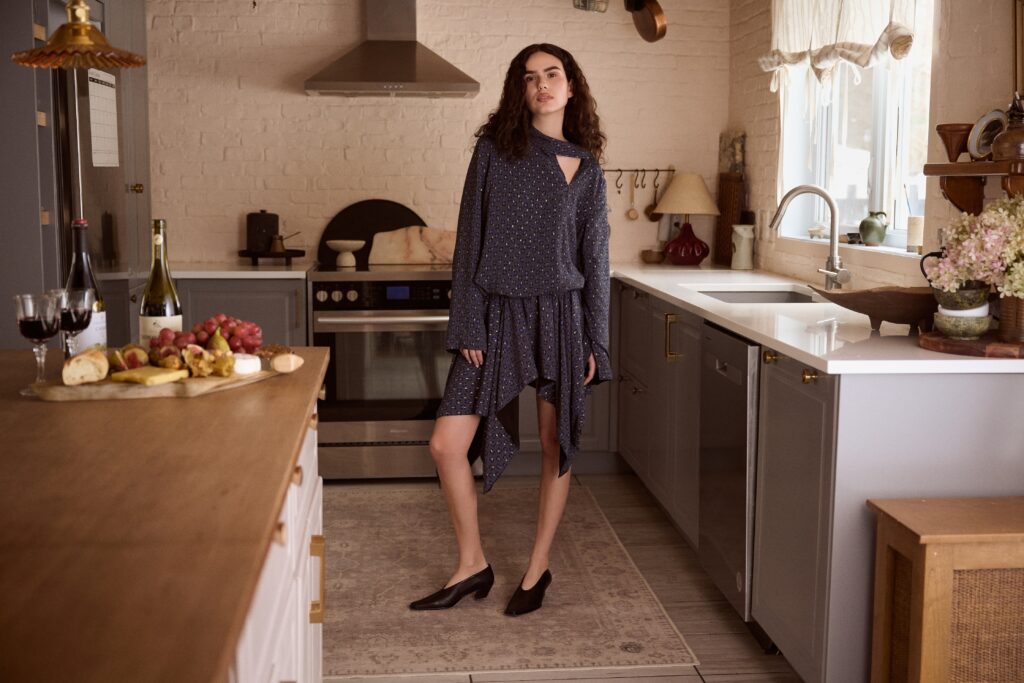
Allison Wonderland (Vancouver, BC)
Vancouver designer Allison Smith launched the label in 1998, more than a decade before “slow fashion” entered our vocabulary. Her playful, 1970s-inflected pieces are sewn locally, and available in organic cotton, hemp, linen and recycled polyester blends. To reduce waste, fabric scraps are donated to local crafters. The studio sits on Granville Island’s Railspur Alley, where most of the clothes are made. allisonwonderland.ca

harly jae (Vancouver, BC)
Designer Laïla drove 5,000 kilometres west from Québec City at age twenty to pursue fashion, and named her label after her late father. Founded in 2017, harly jae makes feminine, vintage-inspired womenswear in small batches of 40 to 200 units, using linen, hemp, organic cotton, deadstock fabrics, and a palette that leans almost entirely toward undyed neutrals. The result is clothing that looks like it’s always been yours. harlyjae.com
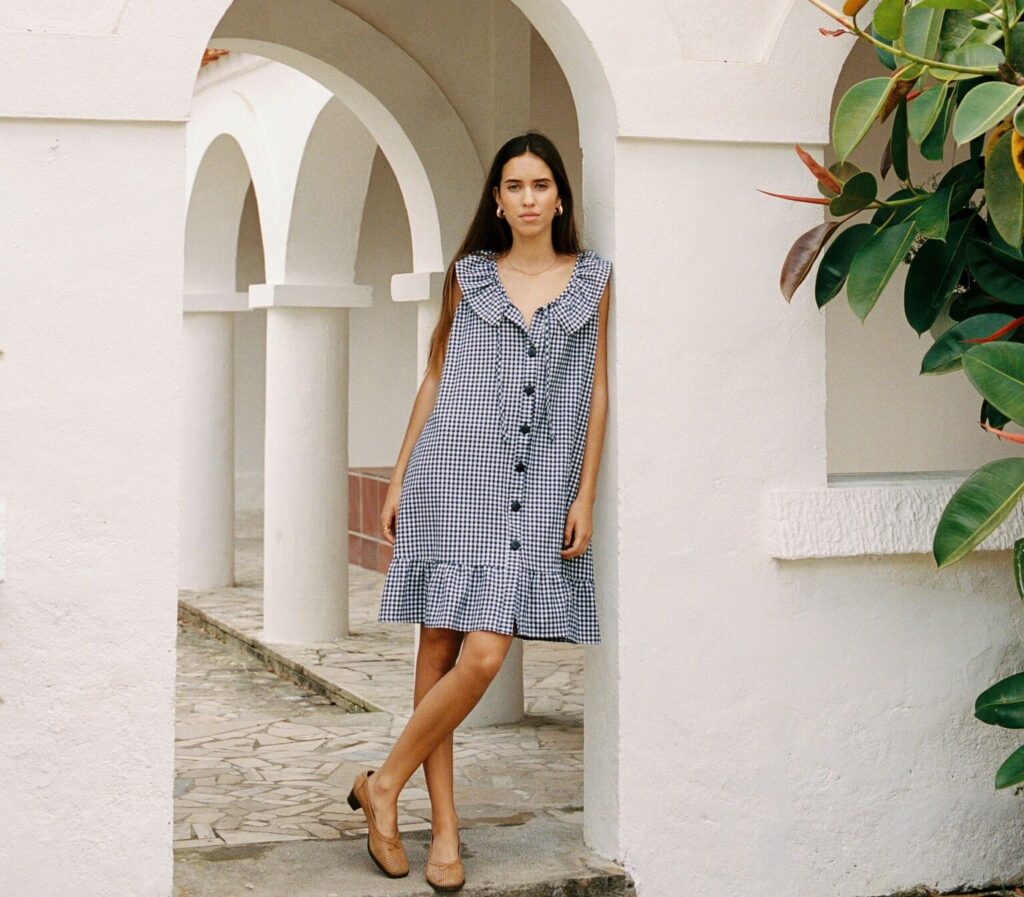
Encircled (Toronto, ON)
Founded in 2012 by former management consultant Kristi Soomer after her suitcase broke en route to a trip — inspiring the multi-way “Chrysalis Cardi” that launched the brand — Encircled is now a Certified B Corporation making versatile, travel-friendly basics in TENCEL Lyocell, Modal, merino, and organic cotton. Every garment is made in Toronto, by factories within roughly 30 kilometres of the brand’s studio, with workers paid above the Canadian fashion-industry average. The brand reduces waste by upcycling scraps accessories. encircled.ca
Everlane’s sale to Shein is what happens when ethics try to keep pace with venture capital. The designers above are doing the opposite math — smaller volumes, longer lead times, closer supply chains, prices that reflect what clothes actually cost. It isn’t cheap. It was never going to be. But it’s an answer to the question Everlane spent a decade asking and ultimately couldn’t keep answering — can fashion be honest? — and right now, ten of the most interesting answers are coming from north of the border.