The Canadian Edit is built to help you discover incredible Canadian brands. We share things that we love, and think you might too. If you purchase through an external link, we may earn a commission.
Many of us have felt the pull to shop more sustainably. We know the fashion industry has a waste problem. We’ve seen the stats, scrolled past the infographics, maybe even felt a pang of guilt tossing an item we barely wore. Many of us want to do better, but what’s often missing is a clear, practical path forward.
This is what makes BEDI Studios so noteworthy. The Montreal-based brand has built one of the more thoughtful approaches to circular fashion in Canada, and their Second Life program is a great example of what it looks like when sustainability is designed into a business from the ground up.
But how bad is the fast-fashion problem, really?
The fashion industry produces an estimated 92 million tonnes of textile waste every year. To put that in perspective, that’s roughly the weight of 460,000 blue whales. Many of those discarded garments aren’t at the end of their usable life. They’ve simply fallen out of favour due to trends, stopped fitting, or been replaced by something newer and cheaper.
Fast fashion has accelerated this cycle with trend-driven clothing that’s built to be temporary, priced to feel disposable, and marketed to make last season’s purchase feel outdated. The environmental cost is massive and staggering. The fashion industry is a major contributor to carbon emissions and pollution, uses excessive amounts of water, and releases microplastics into our environment. And while individual choices won’t fix these systemic issues, where and how we spend our money does send a signal about the kind of industry we want to support.
BEDI Studios
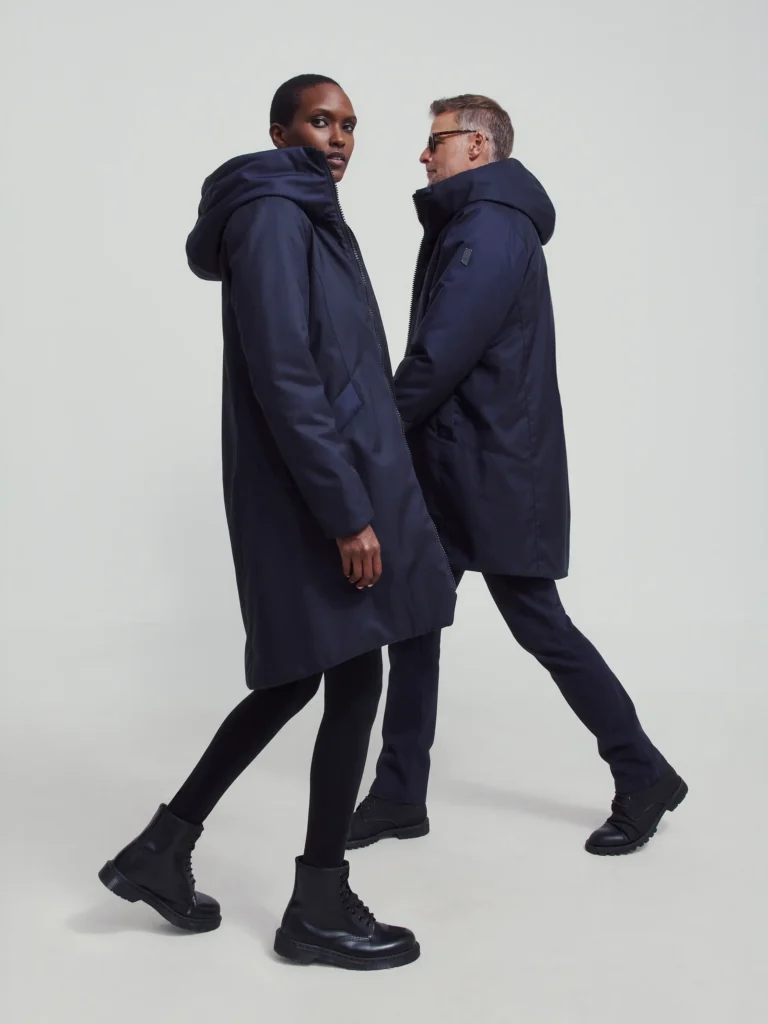
BEDI makes coats and bags in Canada using durable materials that are largely recycled, diverting items away from landfills and turning them into useful, well-made goods. Their design philosophy leans toward clean, minimal silhouettes in a core set of colours with occasional limited releases. Their idea is that nothing they make should feel tied to a specific trend or season.
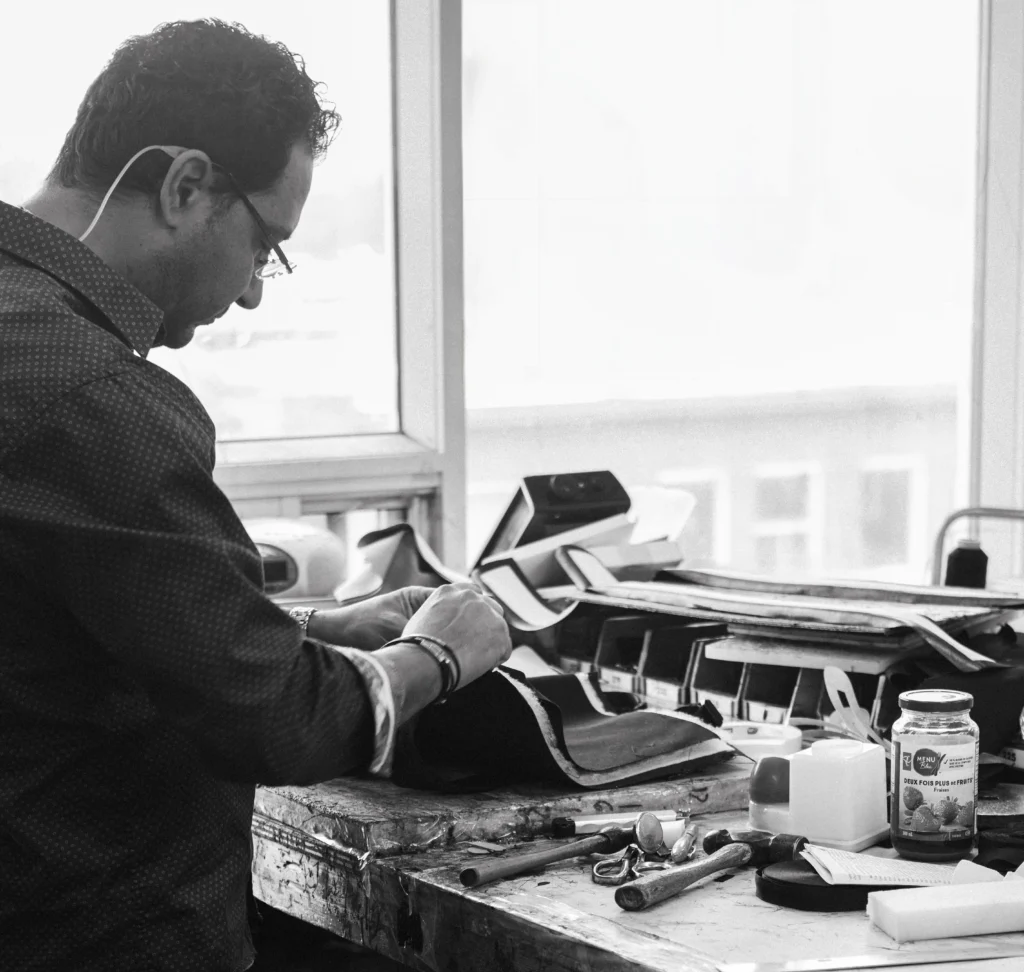
Bags and outerwear from BEDI come with a lifetime repair guarantee. If something fails over time, BEDI will fix it so you can keep wearing it. That commitment to longevity is the foundation that makes a program like Second Life possible. You can’t offer to take back and refurbish a product unless it was built to hold up in the first place.
Photo courtesy of BEDI Studios
How the Second Life Program Works
The concept is simple: use your BEDI Studios purchase for as long as you like, when you’re ready for a change, you can return the piece to the brand. In exchange, you’ll receive 25% credit toward a new product of similar value.
The item that was brought back then goes through an inspection and refurbishment process to make sure it meets the brand’s standards before being listed in the Second Life section of their site at a reduced price.
Second Life items also includes photoshoot pieces that have been lightly worn or washed, and sample pieces from product development. You might find a coat with a slightly different pocket placement or a bag in a colour that never made it to the main line. Because these are produced in very small quantities, they tend to feel more like one-of-a-kind finds than discounted leftovers.
Each listing clearly notes why the piece is in the section, whether it’s a return, a photoshoot item, or a sample. That transparency is a nice touch. You know exactly what you’re getting and why it’s there.
Why This Model Matters
Resale is one of the fastest-growing segments in fashion right now. Platforms like Poshmark, Depop, and ThredUp have normalized buying secondhand. What makes BEDI’s approach different is that the resale loop is fully integrated into the brand itself.
That matters because it means BEDI controls the entire lifecycle of the product. They know how it was made, they know what condition it’s in, and they handle the refurbishment themselves. There’s no guesswork about quality, no third-party platform taking a cut, and no risk of a counterfeit listing. The brand stands behind the piece the same way it did when it was first sold.
It also reflects something more fundamental about how BEDI thinks about their products. A coat from BEDI isn’t designed for a single owner or a single chapter of your life. It’s made to keep going. Maybe it fits you perfectly for five years, and then your body changes or your commute shifts or you just want something different. Second Life gives that piece somewhere to go that isn’t a landfill.
Photo courtesy of BEDI Studios
A More Thoughtful Way to Shop
Programs like Second Life won’t single-handedly solve the fashion industry’s waste crisis. That requires systemic change at a scale far beyond any individual brand. But they do offer a real, tangible alternative for people who want to be more intentional about what they buy and what happens to it afterward.
This Earth Day, it’s worth asking a simple question about the clothes in your closet: were they made to last, and when you’re done with them, is there a plan for what comes next?
Canada’s fashion and beauty industry exceeds $35 billion—yet it’s rarely documented with the rigor of other major sectors. Vainqueur was built to change that.
Vainqueur Magazine is an independent platform covering the people, products, and market forces shaping the country’s fashion and beauty economy. Through data-led reporting and cultural analysis, it positions Canadian designers and brands within a global conversation defined by innovation, craftsmanship, and influence.
We spoke with founder and editor-in-chief Danica Samuel about building independent fashion media in Canada, why data-driven storytelling matters, and what it takes to give Canadian talent the visibility it deserves.
What gave you the idea to start Vainqueur? What was going on in your life when you started?
Looking back, I realized that Vainqueur was an idea that lived with me long before it became a platform. Back in my Tumblr days during university, I was already documenting Toronto’s fashion and beauty scene. I remember steaming garments backstage at Toronto Fashion Week, reporting on underground fashion events and treating Holt Renfrew pop-ups as something worth posting about.
Over the decade that followed, I explored different career paths in Canada and across the globe, but all surrounding culture and identity. I built a lot of creative skill set but most importantly a question that kept coming up: why didn’t Canada have a dedicated platform that treated its own fashion and beauty industry with the same depth, seriousness, and narrative power seen elsewhere?
The turning point came after I relocated to Montreal in 2022. Being in a new environment gave me the clarity to stop circling the idea and actually build it. So one day, sitting on the couch of my condo in Outremont, I decided to bring everything into focus. I created an initial video manifesto featuring only Canadian talent, which became the first expression of what Vainqueur would stand for: documenting, analyzing, highlighting, and elevating our industry in a way that hadn’t existed before.
Why did you choose to focus on Fashion and Beauty? How do you differentiate from other fashion and beauty magazines?
Vainqueur is an outlier in Canada’s fashion media landscape because we are one of the only platforms focused solely on Canadian talent, culture, and industry. We operate with a very intentional editorial lens. If you asked my team what our story meetings sound like, you’d often hear questions like, “But are they Canadian?” or “How is this impacting the Canadian economy?” That lens guides everything we publish.
I think we’ve been conditioned in Canadian media culture to silo fashion and beauty into lighter coverage, the slow news stories, click-driven lists, or international reporting with Canadian mentions. Success is frequently framed as validation abroad. At Vainqueur, we didn’t want our cultural identity and industry to be treated as a sidebar or a trend listicle.
As for the beauty component. I must say, fashion was the primary focus from the beginning, but last year I realized that Canada has a massive and innovative beauty ecosystem. Many of these brands are working with domestic ingredients, Indigenous methods, laboratory innovation, and highly specific formulations. That realization led to the inception of our CanBeauty report, where we began focusing on the impact of Canadian beauty in the global conversation.
Your website references “Data-driven coverage of Canadian fashion and beauty”. What does this mean, exactly?
The million-dollar question! Collecting, tracking and analyzing data in Canada is a big issue overall. Without consistent documentation, accountability becomes difficult whether that’s within institutions, industry bodies, or government. When organizations close after decades without clear public reporting on impact, growth, or outcomes, it exposes how fragile our documentation systems are.
At Vainqueur, “data-driven” means we are actively documenting what’s happening in our fashion and beauty ecosystem instead of just reacting to it. We track patterns: runway trends, brand growth, consumer response, public financial data, and purchasing behaviour.
These insights are valuable not only to business professionals, but also to designers, students, policymakers, and curious fashion observers.
Do you see an evolution of Vainqueur? What’s next for the brand?
The next phase for Vainqueur is turning the editorial vision into a sustainable institution with a strong audience. My focus right now is building the platform into something fully independent and financially viable. I’m currently part of the CJF NextGen Creator-Journalists Training Program, where I’m strengthening the platform’s business infrastructure for long-term longevity. The foundation and creativity are there; what we need now is funding and structural support to grow it into a lasting resource for Canadians. That evolution includes expanding our paid subscriber base and attracting supporters who believe in the vision, because every dollar we generate goes directly back into paying the journalists, photographers, researchers, and contributors who make the work possible.
Let’s talk a bit more about you. What’s the life of a magazine founder like? Do you have a day-to-day routine, or is everyday something different?
Honestly, there are slow stretches, and then there are intense, anxious periods where everything needs attention at once. But, I will say from an emotional standpoint, building something that doesn’t follow the existing standard can be incredibly lonely. Rejection is constant, and not being invited into certain rooms because you don’t subscribe to a particular approach can feel isolating. I think people often observe newness from a distance especially in a media culture shaped by parasocial relationships. They’re waiting to see if it succeeds before fully supporting it. I’m building this without the safety net of a traditional job, so a lot of it is faith, discipline, and a very clear vision.
To stay grounded, I’m intentional about my personal routine. I work out consistently, read to keep my imagination sharp, journal, and maintain a social circle where we genuinely uplift one another. I make space for small joys like early morning ice skating or exploring farm-to-table dining while looking for free.99 activities. I refuse to be a miserable founder. Then there are days when multiple stories need fact-checking, editing, and writing, and I’m up until 3 a.m. It’s unpredictable and demanding, but never dull.
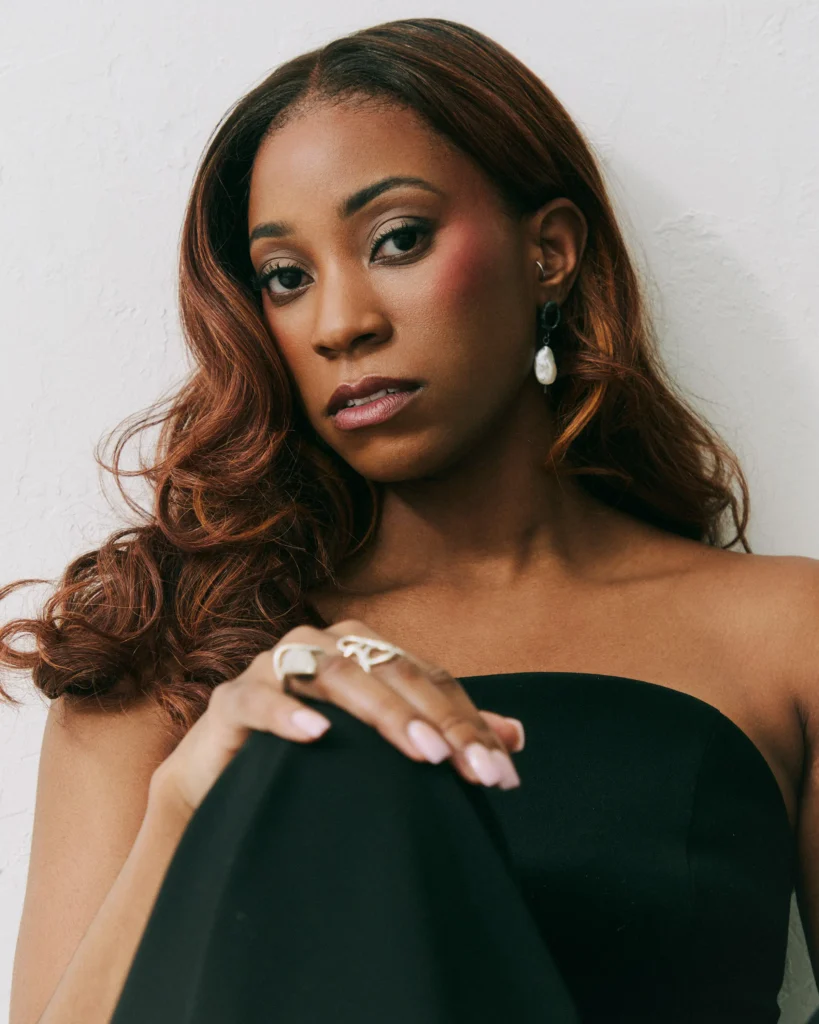
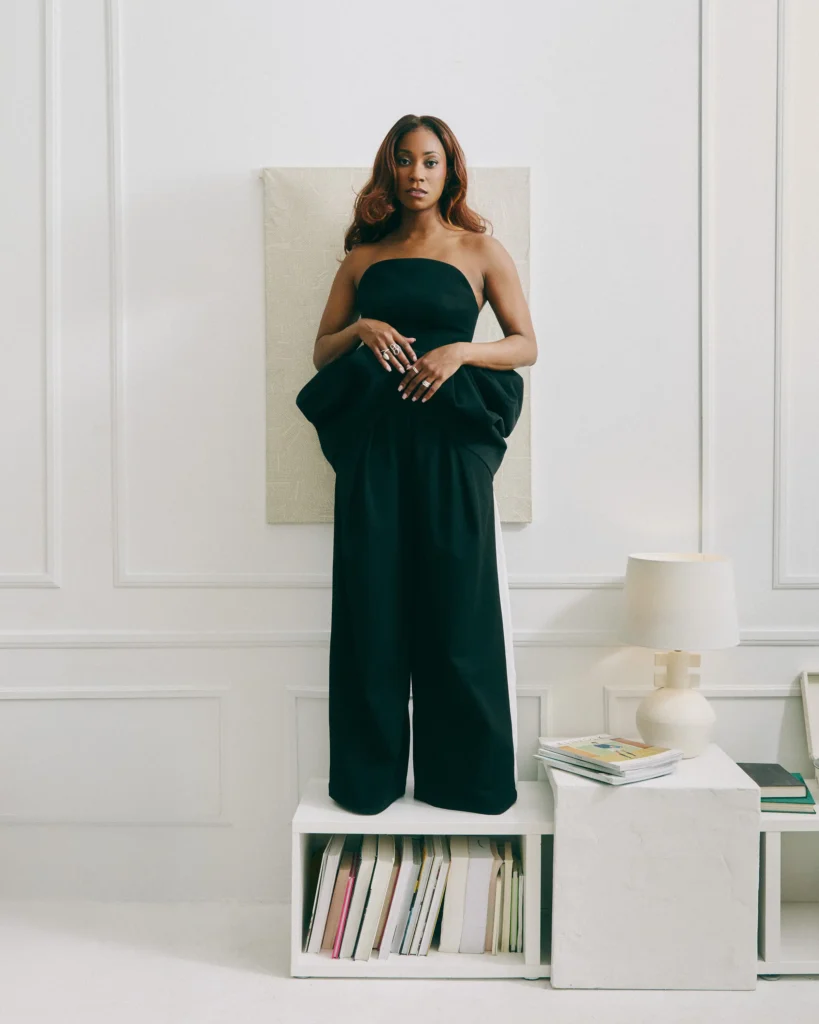
Photography by Sloane Bartley
What has been your biggest win on this journey? Your biggest challenge?
I’ve had many small wins that mean a lot to me like successful event coverage, watching my interns grow at Vainqueur, publishing our first data-driven piece, and most recently being accepted into the CJF NextGen Creator-Journalists Training Program. I’ve applied to countless funding programs and received many no’s. So being accepted into something where I can learn, grow, and potentially access funding genuinely made me emotional. It felt validating to know that the vision is being recognized and has room to expand. Another win was realizing I needed to pivot our journalistic approach; after speaking openly about that shift, we saw immediate growth in our following and readership. That clarity felt powerful.
As for the biggest challenge…honestly, it’s the day-to-day reality of building something from the ground up. The uncertainty, the funding gaps, the constant need to evolve. It’s all challenging. But that’s also the nature of the journey.
Working in Fashion and Beauty, you must be exposed to so many emerging brands and products. What are some of the (Canadian) favourites on your radar lately?
Lately, I’ve been closely watching the talent coming out of the Suzanne Rogers Fashion Institute (SRFI). I’ve also been on a personal mission to highlight designer-led footwear in Canada, and I was genuinely excited to discover Nadine Mos (@nadinemos). She’s no longer based here, but those nude mesh heels she did in collaboration with Reike Nen live rent-free in my head.
I also have my eye on Yibri (@Yibri_Official) the architectural abstraction, the modernist silhouettes, the neutral palette it’s very much aligned with my aesthetic. Serena Li(@srna.li) is another standout; she makes casual wear feel futuristic and elevated. It’s not quite streetwear — it feels like a redefinition of comfort dressing. Outside of SRFI, Anton Styntsov (@styntsov_anton) has been on my radar since his debut in 2024. He has a strong sense of narrative in his couture work. Valmora (@valmora_official) is also doing the kind of abstract, innovative design that really excites me. On the beauty side, Éleva Wellness stands out for bringing lymphatic treatments into the at-home space that’s a smart intersection of wellness and beauty. I’m also watching Ginny, which is incorporating adaptogens into non-alcoholic beverages and positioning it as a modern vice. That kind of cultural marketing is what sticks. And since being on TikTok I discovered a Toronto-based creative Chloe Christian (@chloexchristian) her leather patchwork work is incredible. She made a laptop case and a corset with detailed top-stitching and patchwork that I genuinely can’t wait to see available for purchase. I think she’s going to blossom into a designer to watch.
And are there any Canadian brands you use everyday, or love to treat yourself with?
I have a long list, but I’ll narrow it down to what I’m genuinely reaching for right now and truly, my wardrobe, home, and bathroom are overwhelmingly Canadian right down to the incense that I burn!
In my wardrobe, I love my Golshaah cinch top it feels architectural and Afromodernist chic. I even wore Golshaah for my 2025 press photos, and seeing Golnar become an LVMH Prize finalist felt so deserved. I’m also a Kaothaisong girl. They exude this sultry confidence that really celebrates the female form, I have a piece from their Flawless capsule and many more in my cart My Le—Febour handbag was an investment piece that, to me, defines Canadian luxury. And I constantly receive compliments on my sculptural earrings from Anne-Marie Chagnon. When spring hits, I’m always excited to bring out my capris from Tyrell The Brand again.
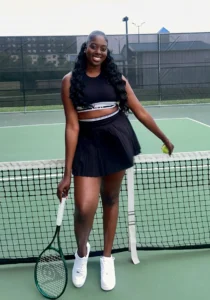
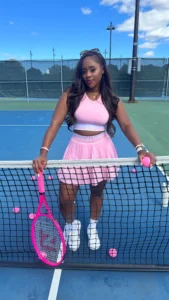
There’s something undeniably confident about tennis-coded style—the crisp whites, the feminine strength, the ease of moving between sport and everyday life. Bodiedbywens taps into that energy with its Sporty Chic Collection, a tennis-inspired activewear and athleisure edit designed to empower women through movement, style, and self-expression.
Officially launched in August, the Sporty Chic Collection blends performance and polish in a way that feels effortless. Each piece is made from breathable, stretchy performance fabric with a supportive, flattering fit, striking a balance between function and soft-glam aesthetics. It’s the kind of collection that works just as well at the gym or on the court as it does styled casually for everyday wear.
Available in sizes Small to XL, the collection comes in three thoughtfully chosen colourways:
Power Play — a sleek, classic black
BubbleGum Babe — a playful, confidence-boosting pink
Serving Looks — a fresh, elevated white that leans fully into tennis-core
Photos: Bodiedbywens
Each set is priced at $80 CAD, and currently on sale—making it an especially good time to invest in elevated activewear that doesn’t compromise on style or comfort.
Whether you’re drawn to the tennis inspiration, the flattering silhouettes, or the versatility of pieces that move seamlessly through your day, Bodiedbywens’ Sporty Chic Collection delivers on all fronts.